Two of the Biggest Myths About The Florida As Is Contract
Florida’s “As Is” contract is one of the most commonly used contracts in our market and also one of the most misunderstood.
Understanding the Florida As Is contract is crucial for both buyers and sellers.
I see sellers and buyers trip over the same assumptions again and again. Most problems do not come from bad intentions. They come from believing myths that simply are not true in practice.
Let’s clear up the two biggest ones.
When navigating the Florida As Is contract, clarity is key.
Myth #1: “As Is” Means Sellers Do Not Have to Disclose Anything
This is the most dangerous misconception in Florida real estate.
Using the FAR/BAR “As Is” contract does not eliminate a seller’s obligation to disclose known material defects.
Buyers often misunderstand the implications of the Florida As Is contract regarding disclosures.
Florida law still requires sellers to disclose defects that:
-
Are not readily observable
-
Are known to the seller or the agent
-
Would impact a buyer’s decision to purchase or the price they would pay
“As Is” does not mean silence. It does not mean selective memory. And it definitely does not mean hiding known problems.
A simple way to think about it: “As Is” means the buyer is accepting the home in its current condition, not that the seller gets a pass on honesty.
In the context of the Florida As Is contract, honesty is essential from sellers.
If a seller knows about roof leaks, recurring water intrusion, structural concerns, mold, unpermitted work, prior insurance claims, or similar material issues, those need to be disclosed regardless of the contract type. This also applies to upcoming special assessments and lawsuits within the property’s association, if applicable.
Failing to disclose known defects can expose sellers and sometimes agents to liability well after closing.
Myth #2: “As Is” Means No Repairs Will Be Requested
Negotiations often arise even with the Florida As Is contract in place.
This one surprises a lot of sellers.
While it is true that a seller is not contractually obligated to make repairs in an As Is contract, that does not mean repairs will not be requested. In fact, in real-world practice, repair requests are very common. In fact, I’d say less than 1% of the time do I get through an inspection period without a request for some kind of repair.
The biggest reason is insurance.
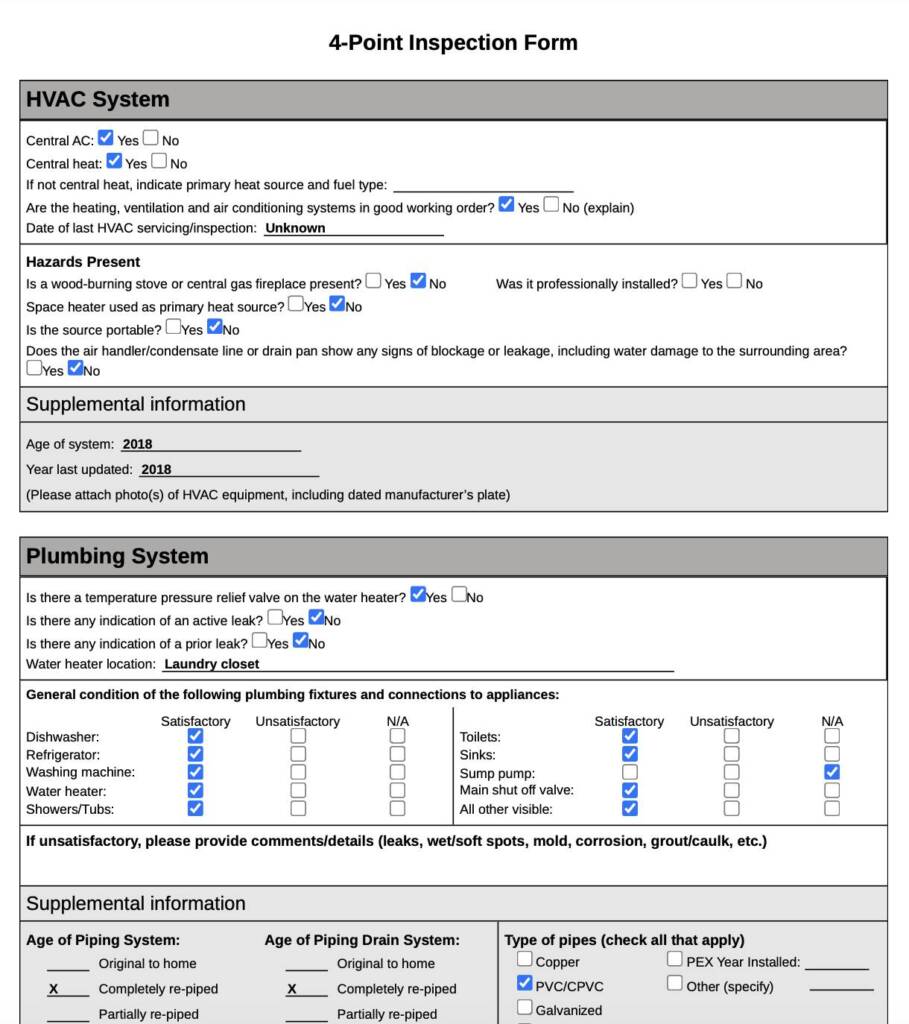
Buyers frequently request repairs tied to items that come up on a 4-point inspection, particularly issues involving the roof, electrical system, plumbing, or HVAC. If those items are flagged, buyers often cannot secure homeowners insurance, and without insurance, many loans cannot close.
So while a seller technically does not have to agree to repairs, it is very common for sellers to address certain items or negotiate credits so the transaction can move forward.
“As Is” does not mean “no negotiations.” It means the seller has the choice. They don’t HAVE to repair anything. But if they choose not to, the buyer also has the option to walk away from the deal during their inspection period.
In most cases, I advise my seller to fix any 4 point related items, because they would have to do so for any buyer who is financing, which are the majority these days.
In reality, the Florida As Is contract does not shield sellers from negotiation requests.
Now all this said – sometimes buyers will make repair or closing cost credit requests because something turned up in the inspection that was unknown to the buyer at the time of showing. Such as, if a seller didn’t list the age of the HVAC on the disclosure, and it turns out the unit is 17 years old and on it’s last legs, the buyer will often request some kind of credit. Because it’s “as-is” – it is up to the seller and their agent to discuss whether they want to entertain such a request, or refuse and roll the dice.
What a seller decides to do in this scenario may depend on their level of motivation, the motivation of the buyer, and the state of the current market.
What This Means for Sellers and Agents in Practice
Agents must be well-versed in the nuances of the Florida As Is contract.
Understanding the Florida As Is Contract
Understanding these two myths helps avoid unnecessary friction and failed transactions.
The Florida As Is contract can be misunderstood, leading to challenges.
For sellers:
-
You still need to disclose what you know
Awareness of the Florida As Is contract can help prevent issues.
-
You should expect inspection discussions, even in As Is deals
-
Insurance requirements often drive repair conversations
For agents:
-
Disclosure obligations apply to you as well
-
Known defects cannot be ignored, even if a seller prefers not to disclose
-
Red flags should be questioned, documented, and addressed
A good rule of thumb is simple. If you would want to know it as a buyer, it should be disclosed.
The Bottom Line
Florida’s As Is contract protects sellers from being forced to make repairs. It does not protect anyone from failing to disclose material defects, and it does not eliminate post-inspection negotiations.
Buyers should be informed about the terms of the Florida As Is contract.
“As Is” means condition acceptance, not a free pass on disclosure or communication.
When handled correctly, As Is transactions can close smoothly. When these myths are believed, they often fall apart.
If questions come up about disclosures, inspections, or repair requests in an As Is sale under the Florida As Is contract, getting guidance early makes all the difference. I am always happy to help sellers and buyers navigate this the right way before small issues turn into big ones.




Leave a Reply