Can You Build a Dock on Any St. Petersburg Lot?
Owning a waterfront lot does not automatically mean you can build a dock. Here is why approval depends on the property, and when you may need a variance your neighbors sign off on.
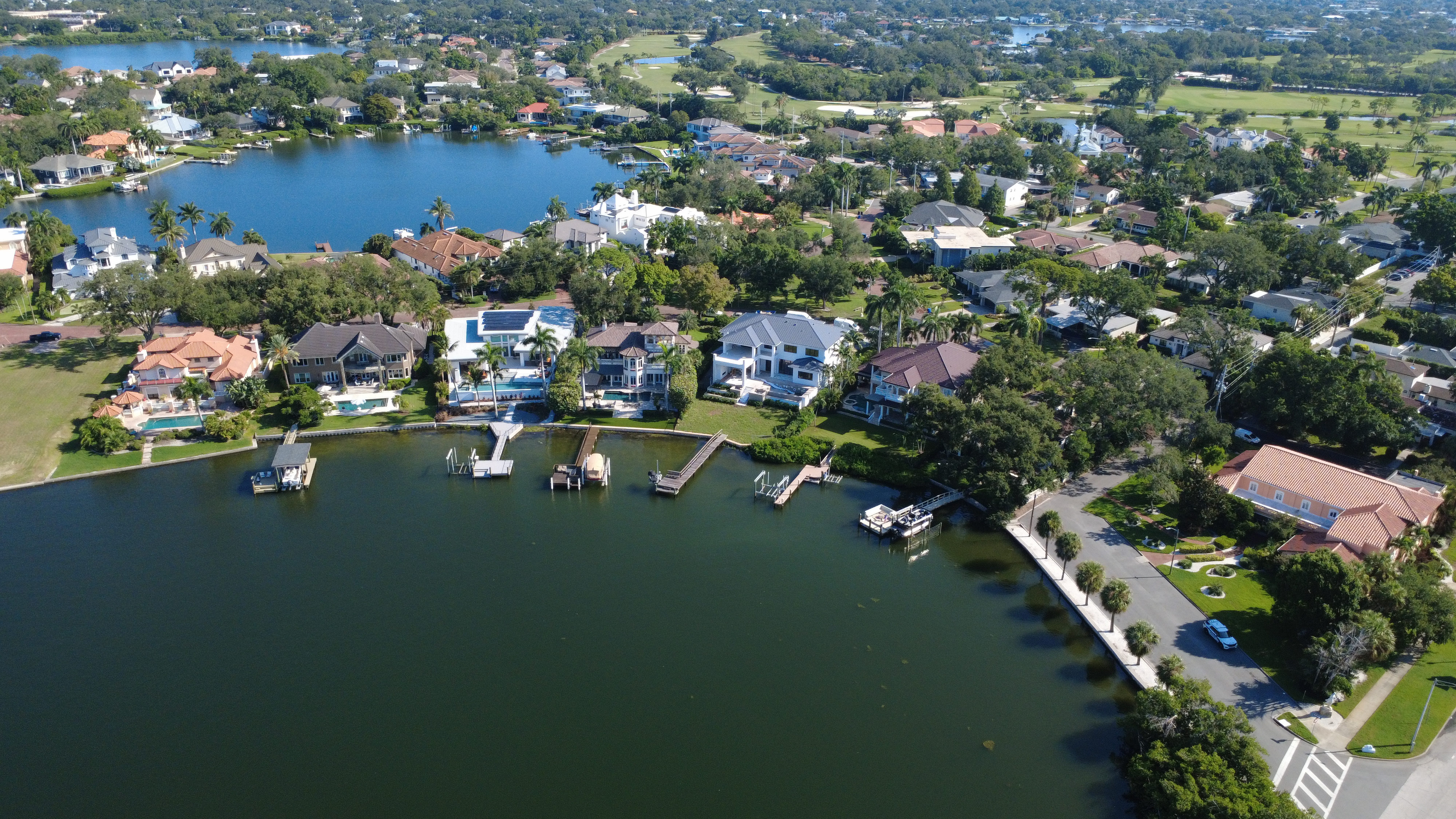
The short answer is no. Owning a waterfront lot in St. Petersburg gives you the right to apply for a dock, but it does not guarantee that one can be permitted or built the way you picture it. Whether a dock is possible, how long it can be, and where it can sit all depend on the individual property, the water body behind it, and several layers of rules that sit on top of each other. If you’re wondering, can I build a dock on my waterfront lot? It’s important to understand these factors. Many buyers assume a dock is a simple add on because the seawall is already there. In practice, docks in St. Petersburg often touch four different review layers. The City of St. Petersburg reviews setbacks and land development rules. The Pinellas County Water and Navigation Control Authority reviews the structure in county waters. The Florida Department of Environmental Protection and the U.S. Army Corps of Engineers review impacts to submerged land, seagrass, and navigation. A dock that clears one layer can still be limited by another. This is exactly why waterfront due diligence matters so much. Two lots on the same street can have very different dock outcomes depending on water depth, seagrass, lot width, and how close the neighbors sit. If a dock is a must have for you, it should be verified early, ideally before you are under contract. A knowledgeable waterfront listing specialist can help you ask the right questions before you fall in love with a view. Can You Build a Dock on Any Waterfront Lot in St. Petersburg?
The most common roadblock is setbacks. St. Petersburg requires a dock to sit a minimum distance away from the extended side property lines in the water, which are often called riparian lines. On a wide lot with plenty of open water, those setbacks are easy to meet. On a narrow lot, a canal, or a cove, the required setbacks can shrink the buildable area so much that a standard dock and boat lift simply will not fit without relief. In St. Petersburg, those side setbacks actually scale with how much water frontage you have. Lots with 50 or more feet of frontage generally must keep every part of the dock at least 20 feet from each side lot line. Lots with more than 20 feet but less than 50 feet of frontage generally must place the dock within the middle third of the lot. Lots with 20 feet or less of frontage typically drop to a 5 foot side setback. So a 50 foot rule of thumb does exist, but it is really about which setback applies to your lot, not an automatic trigger for a variance. If your desired dock cannot fit within the setback that applies to your specific frontage, that is when you move into reduced setback or variance territory, and the affected neighbor often has to sign off. These figures can change and should be verified for your address with the City of St. Petersburg. Water depth and seagrass are the next hurdle, and this is where many people are surprised. Much of the water around St. Petersburg, including Boca Ciega Bay, sits inside a state aquatic preserve. Aquatic preserve rules are stricter about dock size, the total area allowed over sovereign submerged land, and impacts to seagrass beds. A lot with healthy seagrass or very shallow water may only support a shorter dock, a specific configuration, or in some cases no motorized boat access at all. Each of these points should be verified for the specific address with the appropriate agency rather than assumed from a neighbor’s dock. Navigation and existing structures matter too. If a dock would extend too far into a channel or interfere with safe boat traffic, it can be denied or shortened. This is one reason it helps to work with a buyer’s agent who knows waterfront property. The goal is not to scare you off the water. It is to make sure the lot you buy can actually deliver the boating lifestyle you are paying a premium for. Why Some St. Petersburg Lots Cannot Get the Dock You Want
Before anything else, the city looks at how far your proposed dock must stay from the extended side property lines. If your design fits inside those setbacks, review is usually much simpler. If it does not fit, you are into variance territory, and that is where a neighbor sign off can come into play. St. Petersburg allows a reduced dock setback through an administrative process when the adjacent property owner provides a signature stating they have no objection to the request. In other words, the neighbor most affected by a closer dock often has a real voice in whether the reduced setback moves forward. After the adjacent owner signs, notice is typically mailed to nearby property owners within 200 feet, measured along the seawall in each direction. If no objections are received within roughly 30 days, the reduced setback may be approved. If someone objects, the request can move to a more formal variance review before a board. Setbacks, Variances, and When Your Neighbors Get a Say
Dock Setbacks Come First
Neighbor Sign Off
200 Foot Mailed Notice
If a dock is part of the reason you want a particular waterfront home, treat it as a contingency to confirm, not a promise. A few things are worth checking early, ideally during your inspection period. Confirm the lot width and where the riparian setback lines fall, since these define how much dock you can actually build. Verify water depth at low tide and whether seagrass is present, because both can limit dock length and boat access. Ask whether the property sits inside an aquatic preserve such as Boca Ciega Bay, which carries stricter size and submerged land rules. Check for existing permits on the current dock or seawall, and confirm whether any structure was ever grandfathered or built without approval. Talk to the City of St. Petersburg, Pinellas County Water and Navigation, and if needed the Florida Department of Environmental Protection and the U.S. Army Corps of Engineers, since each reviews a different piece. Every one of these depends on the individual property and should be verified with the appropriate official source or a licensed marine contractor. A dock builder who works in St. Petersburg every week can often give you a fast read on feasibility, and pairing that with a real estate consultation helps you weigh the cost and timeline before you commit. What to Verify Before You Count on a Dock
A waterfront lot is a wonderful thing, but the dock is not automatic. Setbacks, aquatic preserve rules, water depth, seagrass, and navigation all shape what is possible, and in many cases a closer dock will need a variance that your neighbor signs off on before it can move forward. The smart move is to confirm dock feasibility for the specific address early, so there are no surprises after closing. If you are shopping for a home where boating is the whole point, let’s make sure the water works as hard as the view does. I help buyers and sellers evaluate St. Petersburg waterfront property with clear eyes, and I am happy to connect you with trusted marine contractors and walk the process with you. Reach out through my waterfront listing specialist page or get in touch directly and we can talk through your specific lot. The Bottom Line for St. Petersburg Waterfront Buyers
No. Owning waterfront gives you the right to apply, but approval depends on the individual property. Setbacks, water depth, seagrass, aquatic preserve rules, and navigation can all limit or prevent a dock. Each address should be verified with the appropriate agencies. Not automatically. St. Petersburg scales dock side setbacks by frontage. Lots with 50 or more feet generally must keep the dock at least 20 feet from each side lot line, lots with more than 20 but less than 50 feet generally must place the dock within the middle third of the lot, and lots with 20 feet or less typically use a 5 foot setback. A variance is only needed when your desired dock will not fit within the setback that applies to your lot. Verify the current numbers for your address with the City of St. Petersburg. A dock must sit a minimum distance from your extended side property lines. If your design does not fit within those setbacks, you may need a reduced setback approval, sometimes called a variance. This typically requires the affected neighbor to sign a statement of no objection. In many reduced setback cases, yes. St. Petersburg often requires the adjacent property owner to sign off, followed by a mailed notice to owners within 200 feet along the seawall. If no objection is received within about 30 days, the reduced setback may be approved. A dock can touch several layers, including the City of St. Petersburg, the Pinellas County Water and Navigation Control Authority, the Florida Department of Environmental Protection, and the U.S. Army Corps of Engineers. Requirements depend on the property and should be confirmed with each office. Confirm lot width and setback lines, verify water depth and seagrass, ask whether the lot is in an aquatic preserve, and review any existing dock or seawall permits. Doing this during your inspection period, alongside a licensed marine contractor, helps you avoid surprises. FAQ: Building a Dock on a St. Petersburg Waterfront Lot
If a dock is part of your dream, let’s confirm what is actually possible for the lots you are considering before you make an offer. Reach out and I will help you evaluate the water, the rules, and the right next step for your specific property. 
Thinking About a Waterfront Home in St. Petersburg?




Leave a Reply